
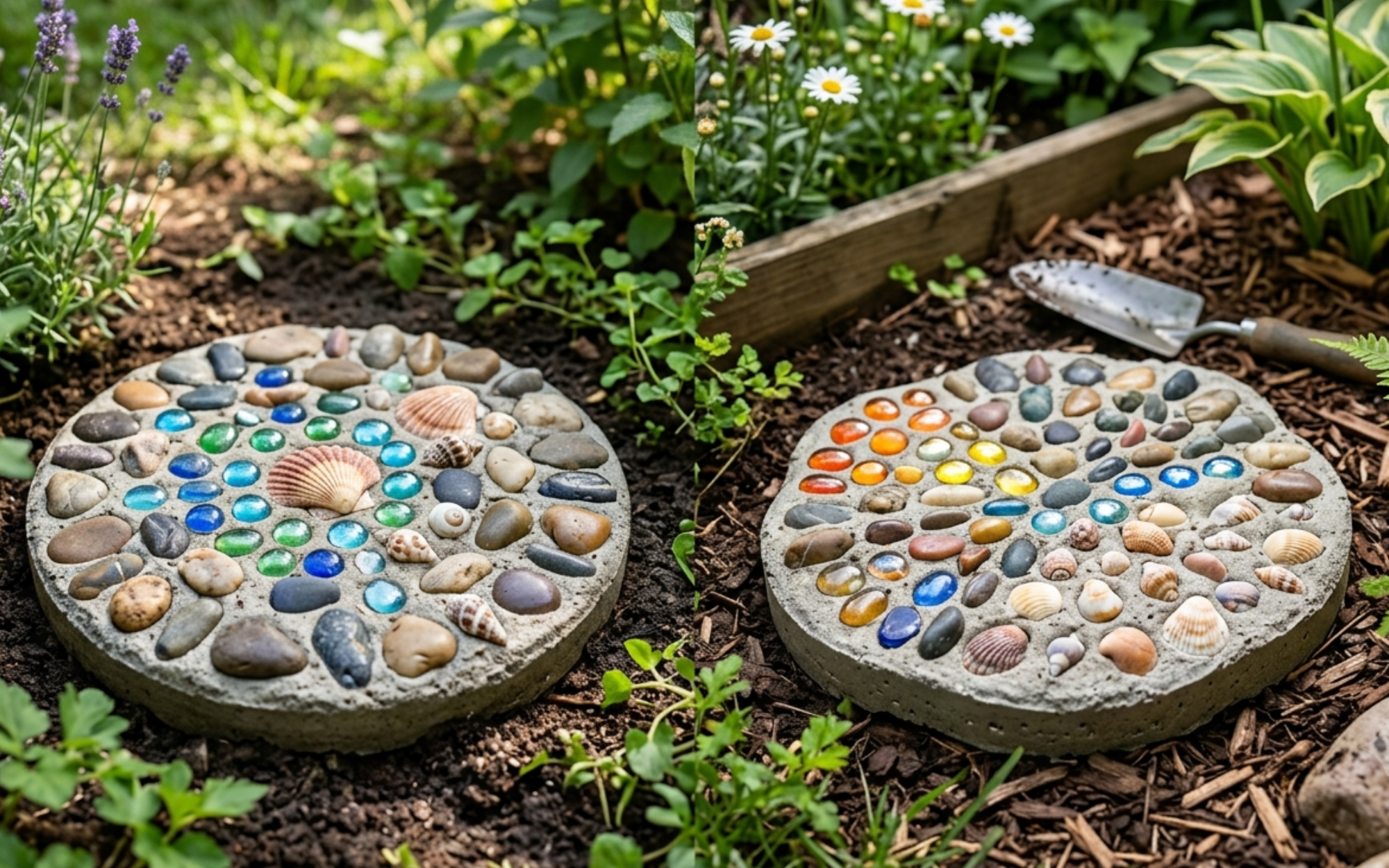
Sensory activities are a wonderful way to support children’s development while encouraging creativity and outdoor play. One engaging project families can make together is Textured Backyard Stepping Stones. This hands-on craft provides valuable tactile experiences, promotes gross motor development, and creates a lasting sensory path that children can enjoy for years.
For families seeking sensory-rich activities to complement ABA therapy, this project combines creativity, movement, and exploration in a meaningful way. Whether incorporated into home routines or recommended through ABA services, textured stepping stones offer opportunities for learning through play.
Benefits of Textured Backyard Stepping Stones
Creating and using custom stepping stones provides several developmental benefits, especially for children with autism and sensory processing differences.
Encourages Tactile Exploration
Walking barefoot across stepping stones with different textures allows children to safely experience a variety of sensory inputs. Smooth river rocks, seashells, and glass gems each provide unique sensations that can help children become more comfortable with tactile experiences.
Supports Gross Motor Development
Navigating a stepping-stone path encourages balance, coordination, and body awareness. Children practice stepping from stone to stone, improving motor planning and spatial awareness while engaging in active outdoor play.
Provides Proprioceptive Input
Pressing rocks, shells, or gems into wet concrete requires hand strength and resistance. This type of heavy-work activity delivers proprioceptive input, which many children find calming and organizing. These sensory experiences are often incorporated into strategies used in ABA therapy and autism behavior support programs.
Promotes Outdoor Engagement
Spending time outdoors can help children connect with nature while reducing screen time. A personalized sensory path transforms the backyard into an interactive learning environment that encourages movement and exploration.
Materials Needed
- Stepping stone concrete kit (or a foil cake pan filled with quick-dry cement mix)
- Water
- Smooth river rocks
- Flat glass gems
- Large seashells
How to Make Textured Backyard Stepping Stones
Step 1: Prepare the Concrete
Mix the concrete according to the package instructions. Pour the mixture into a foil cake pan or stepping stone mold.
Step 2: Add Texture
While the concrete is still wet, invite your child to press smooth river rocks, seashells, or glass gems firmly into the surface. This provides excellent resistance for the hands and helps develop fine motor strength.
Step 3: Let It Cure
Allow the stepping stone to cure completely overnight or according to the manufacturer’s instructions.
Step 4: Create a Sensory Path
Once fully hardened, remove the stepping stone from the foil pan and place it in the backyard grass. Create multiple stones with different textures to build a custom sensory walking path.
Tips for Success
- Encourage your child to choose the materials they want to include.
- Create stones with varying textures to increase sensory exploration.
- Supervise barefoot walking to ensure safety and comfort.
- Use the stepping stones as part of a daily movement or sensory routine.
Supporting Children Through Sensory Play
Sensory crafts like Textured Backyard Stepping Stones can be valuable additions to activities used at home and alongside professional ABA services. By combining tactile experiences, gross motor practice, and creative expression, this project supports developmental growth while providing a fun and engaging outdoor activity.
For children with autism, opportunities to explore different textures, practice balance, and receive grounding sensory input can help build confidence and encourage positive interactions with their environment. Activities like this demonstrate how simple crafts can support learning, movement, and sensory development in meaningful ways.
Explore textures with more sensory friendly activities and crafts at our Blog page like Outdoor Summer Activities for Autism Support, Watercolor Salt Art, and Floating Paper Boats.