How to Explain Autism to Kids
Talking to a child about autism can bring up a lot of questions. You may be explaining their own autism diagnosis, helping a sibling understand why their brother or sister experiences certain situations differently, or





Helping you navigate
the autism journey,
every step of the way.
Parents are often the first to notice when their child’s development may be taking a different path than expected. Observing differences in communication, social interaction, play, or responses to the environment is natural, and seeking guidance from a professional can provide valuable clarity and support.
Every child develops at their own pace, and understanding these differences can sometimes be challenging without expert insight. A comprehensive autism evaluation can help determine whether these patterns may be associated with Autism Spectrum Disorder (ASD) and provide families with clear recommendations and strategies for support.
Cultivate Behavioral Health & Education partners with families throughout East Bowling Green, helping them better understand developmental concerns and confidently navigate the autism screening and diagnostic process.
An autism diagnosis is not a limitation—it’s insight. It helps families gain a deeper understanding of how their child communicates, learns, and experiences the world, opening doors to therapies, educational resources, and supports that promote skill development, independence, and confidence.
For families considering an autism evaluation in East Bowling Green, KY, our team offers professional expertise, compassionate guidance, and reassurance every step of the way.
A parent screening tool designed to identify possible early signs of autism in toddlers aged 16–30 months.
A screening tool used to identify autism-related traits in children 4–11 years old.
Families in East Bowling Green, KY, seeking an autism evaluation may sometimes encounter long waitlists or limited appointment availability. We understand that waiting for answers about your child’s development can be stressful and frustrating.
While Cultivate Behavioral Health & Education does not provide diagnostic evaluations directly, we help families navigate the process by connecting them with trusted local providers in the East Bowling Green area. We also offer access to a virtual evaluation partner, providing more flexible scheduling and often shorter wait times than traditional in-person assessments.
Our goal is to support families in East Bowling Green by helping them access the guidance, information, and resources they need quickly and confidently, so they can move forward with clarity and assurance.
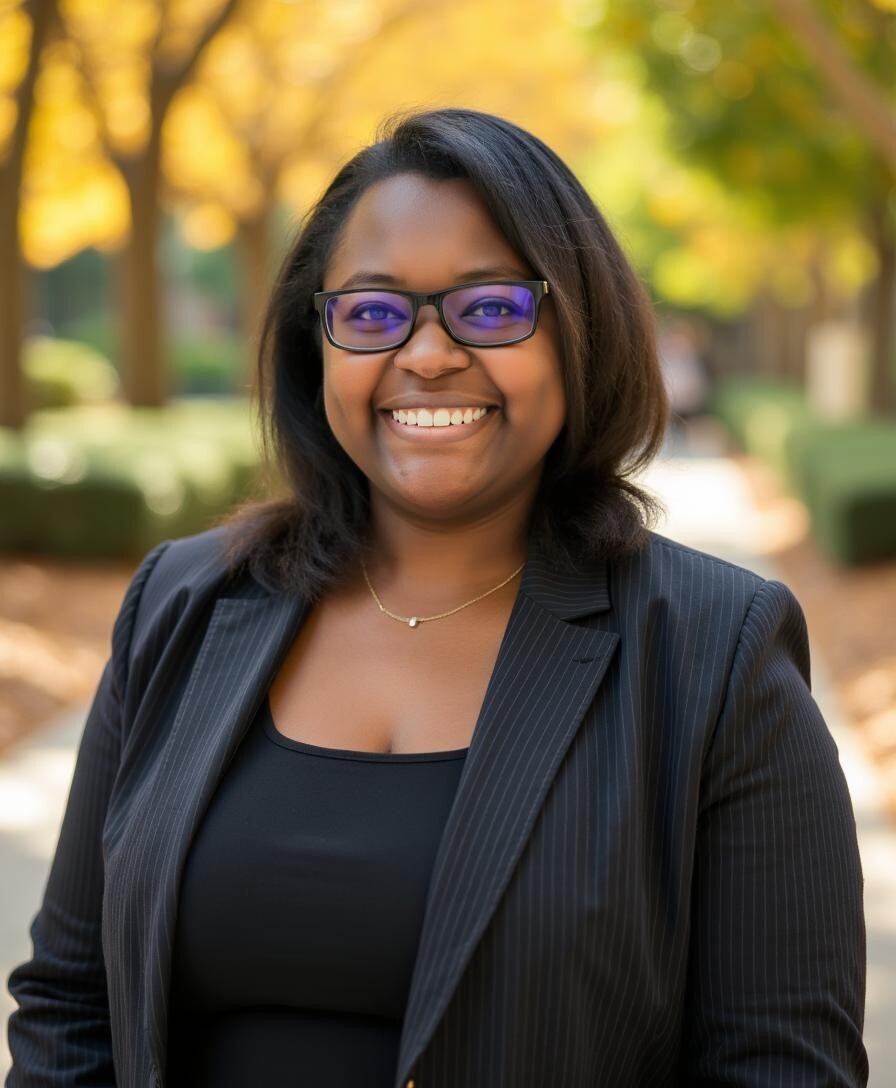
Dr. Burns conducts virtual autism evaluations across all Cultivate BHE locations, guiding parents through the diagnostic process with care, clarity, and expertise.
Dr. Jazmin Burns is a highly experienced, neuro-affirming, and compassionate psychologist dedicated to helping individuals achieve mental and emotional wellness. With a Doctorate in Psychology, Dr. Burns brings a wealth of expertise and care to her clients. She specializes in neurodivergence and psychological evaluations and is passionate about empowering her clients to overcome obstacles and achieve their goals. Experience the transformative power of mental health and neurodevelopmental support with Dr. Burns today.
A specialist will meet with you to discuss concerns, review developmental history, and gather important background information.
Using evidence-based tools tailored to your child, the diagnostician may assess communication, social interaction, behavior patterns, and other developmental areas as appropriate. If appropriate, a diagnosis is made based on DSM-5-TR criteria for Autism Spectrum Disorder (ASD).
You’ll receive a clear summary of findings, including whether your child meets diagnostic criteria, along with personalized recommendations.
Families will be provided with a plan that may include therapy options, educational support, and community resources to help their child thrive.
An autism diagnosis can provide families with clarity and guidance. It allows you to understand your child’s abilities and difficulties better, and it may provide access to services that make life easier and long-term planning more feasible.
What’s Next:
Preliminary screenings are a good place to start, and often help to answer some questions. However, it’s also possible that new questions will arise. If you’d like to discuss your results, take the next step towards a formal evaluation, or are simply unsure of what your next steps are, we are more than happy to help.
Reach out to our caring team to set up a free consultation. We’re here to discuss your concerns, go over screening results, and to connect you to a diagnostician, if you need to take any clinical steps.

Talking to a child about autism can bring up a lot of questions. You may be explaining their own autism diagnosis, helping a sibling understand why their brother or sister experiences certain situations differently, or

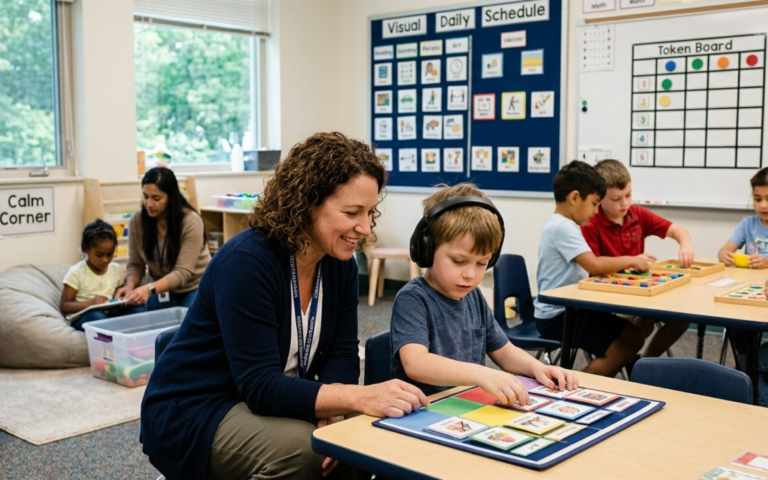
Creating an inclusive classroom that accommodates students with autism requires thoughtful planning, structure, and consistency. Using strategies grounded in applied behavior analysis (ABA), educators can build a predictable, low-stress setting where students thrive academically and socially. Implementing applied behavior analysis techniques
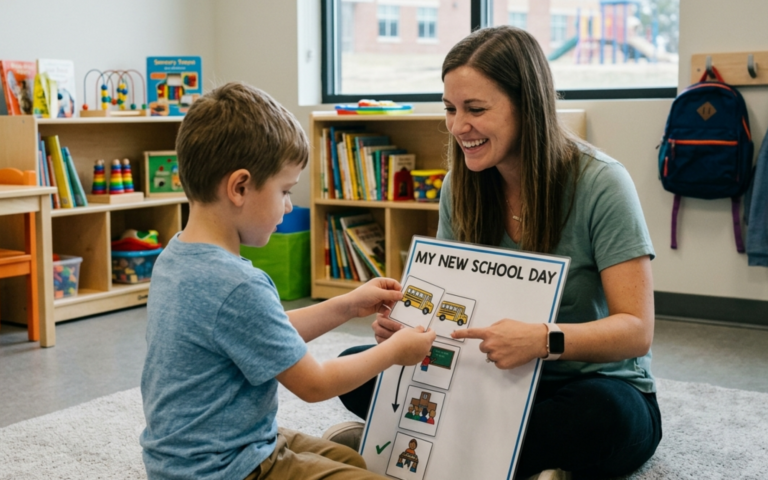
School transitions can be exciting, but they can also be challenging for children with autism. Moving to a new grade, entering a different classroom, meeting new teachers, or starting at a new school can introduce

When parents begin noticing differences in their child’s development, they often search for new ways autism can be identified. One area of growing research is eye tracking technology, which measures where and how long a

![]()
![]()
An autism screening is usually a brief tool designed to highlight whether a child may show traits associated with Autism Spectrum Disorder (ASD). It doesn’t provide a diagnosis but can indicate if a more comprehensive assessment is needed. A diagnostic evaluation, by contrast, is a thorough process carried out by a qualified clinician, who reviews developmental history, observes behavior, and uses standardized assessments to determine whether a child meets the criteria for autism.

![]()
Gathering any records related to your child’s development—such as previous evaluations, therapy summaries, school reports, or IEP/504 documentation—can be very helpful. Parents are also encouraged to note specific behaviors, developmental concerns, or questions they want to discuss. Even if formal documents aren’t available, your personal observations and experiences with your child are extremely valuable during the evaluation process.

Yes. Doing well academically doesn’t always mean a child isn’t facing developmental challenges. Some children with autism may excel in school yet still have difficulties with social interaction, adjusting to changes in routine, sensory sensitivities, or communication. An evaluation can help identify these areas and determine whether additional support could be helpful.
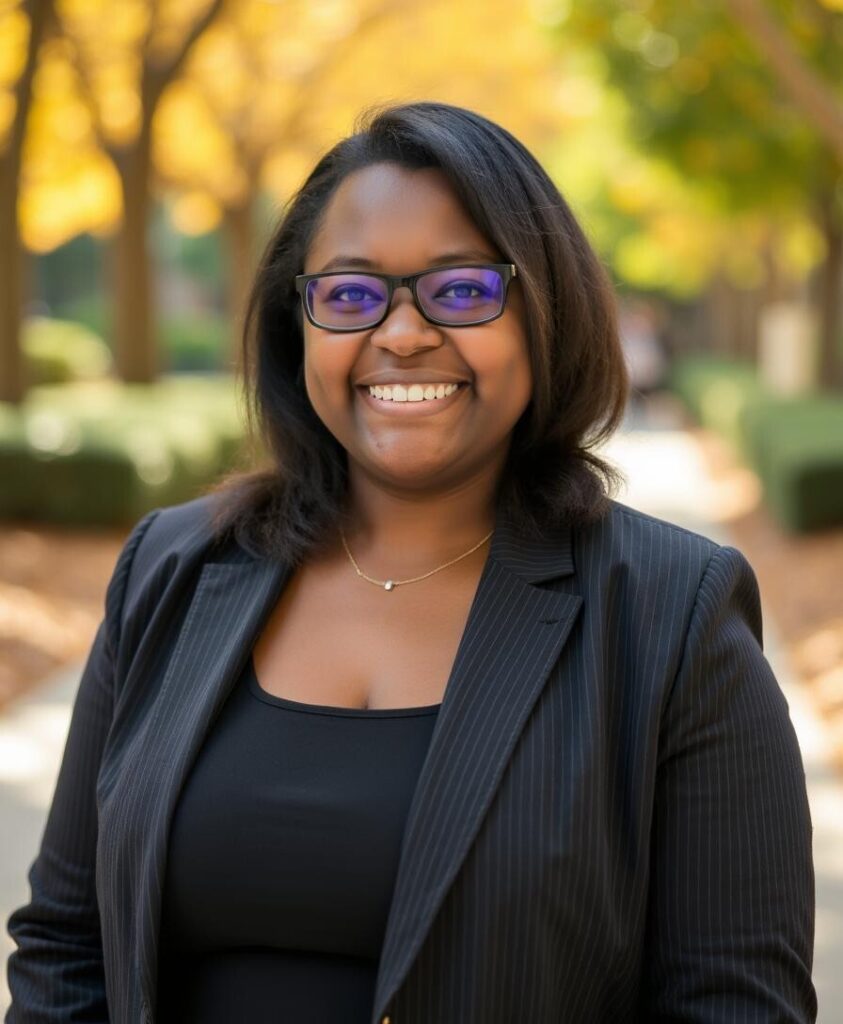
Dr. Jazmin Burns is a highly experienced, neuro-affirming, and compassionate psychologist dedicated to helping individuals achieve mental and emotional wellness. With a Doctorate in Psychology, Dr. Burns brings a wealth of expertise and care to her clients. She specializes in neurodivergence and psychological evaluations and is passionate about empowering her clients to overcome obstacles and achieve their goals. Experience the transformative power of mental health and neurodevelopmental support with Dr. Burns today.
Dr. Burns’ academic journey began with a Bachelor of Arts in English, emphasizing Literature, Criticism, and Theory, along with a minor in Psychology, earned in 2013. She continued her education at Alliant International University, obtaining a Master of Arts in Clinical Psychology in 2017 and a Doctor of Psychology (Psy.D.) degree in 2019.
Dr. Burns’ career in neurodevelopmental disabilities (NDDs) started in 2010 as a volunteer and research assistant at the UC Davis MIND Institute. There, she received extensive training in NDDs under some of the leading experts in the field. Her experience spans roles as an Applied Behavior Analysis (ABA) Behavior Technician and years of specialized training at the UC Davis MIND Institute. She also participated in the Leadership and Education in Neurodevelopmental and Related Disabilities (LEND) program for three years, gaining comprehensive skills in the field.
Throughout her career, Dr. Burns has worked with individuals of all ages across various settings, including private practice, clinics, hospitals, and community-based environments. Her passion for increasing access to care, particularly for underserved populations, led Dr. Burns to become an Authorization Holder, granted the authority to practice by the PSYPACT Commission, allowing her to provide services across state lines. Dr. Burns is committed to empowering families by offering psychoeducation on diagnoses, school rights, and available resources, ensuring they feel confident and capable in supporting their children.