How to Explain Autism to Kids
Talking to a child about autism can bring up a lot of questions. You may be explaining their own autism diagnosis, helping a sibling understand why their brother or sister experiences certain situations differently, or





Helping you navigate
the autism journey,
every step of the way.
For many families, exploring an autism evaluation begins with noticing small differences in their child’s development. You may have questions about how your child communicates, interacts with others, plays, or responds to changes in routine and sensory experiences. When those questions arise, it’s natural to want a clearer understanding of what your child may be experiencing.
It’s also common for parents to feel uncertain about what a diagnosis could mean. Concerns about labels or long-term outcomes are very normal. However, many families find that gaining a better understanding of their child’s needs actually brings relief and direction, helping them feel more confident in how they support their child each day.
An autism evaluation can provide valuable insight into how a child learns, communicates, and experiences the world around them. With this understanding, families can begin identifying strategies, resources, and services that support their child’s development at home, in school, and within the community.
At Cultivate Behavioral Health & Education, we support families throughout Sebastian and the surrounding Indian River County communities who are exploring an autism diagnosis for their child. While our clinics do not conduct diagnostic evaluations directly, we help families connect with trusted in-person providers as well as virtual autism evaluation options that may offer greater flexibility when scheduling an appointment.
An autism diagnosis does not define a child’s potential. Instead, it provides helpful insight that can guide families toward the services, supports, and resources that help their child continue to grow and thrive.
A screening tool used to flag possible early autism traits in toddlers ages 16–30 months.
A parent questionnaire that helps identify autism-related traits in children ages 4-11.
Families seeking an autism evaluation in Sebastian, FL may sometimes experience longer waitlists or limited appointment availability with diagnostic providers. Access to autism testing or a formal diagnosis near Sebastian can vary depending on local demand and provider schedules. While our clinics do not conduct autism diagnostic evaluations directly, we support families in Sebastian and the surrounding Indian River County communities by helping them identify trusted in-person clinicians as well as virtual evaluation options that may offer greater scheduling flexibility and shorter wait times. Our goal is to help families better understand their options so they can move forward with clarity and confidence as they determine the best next step.
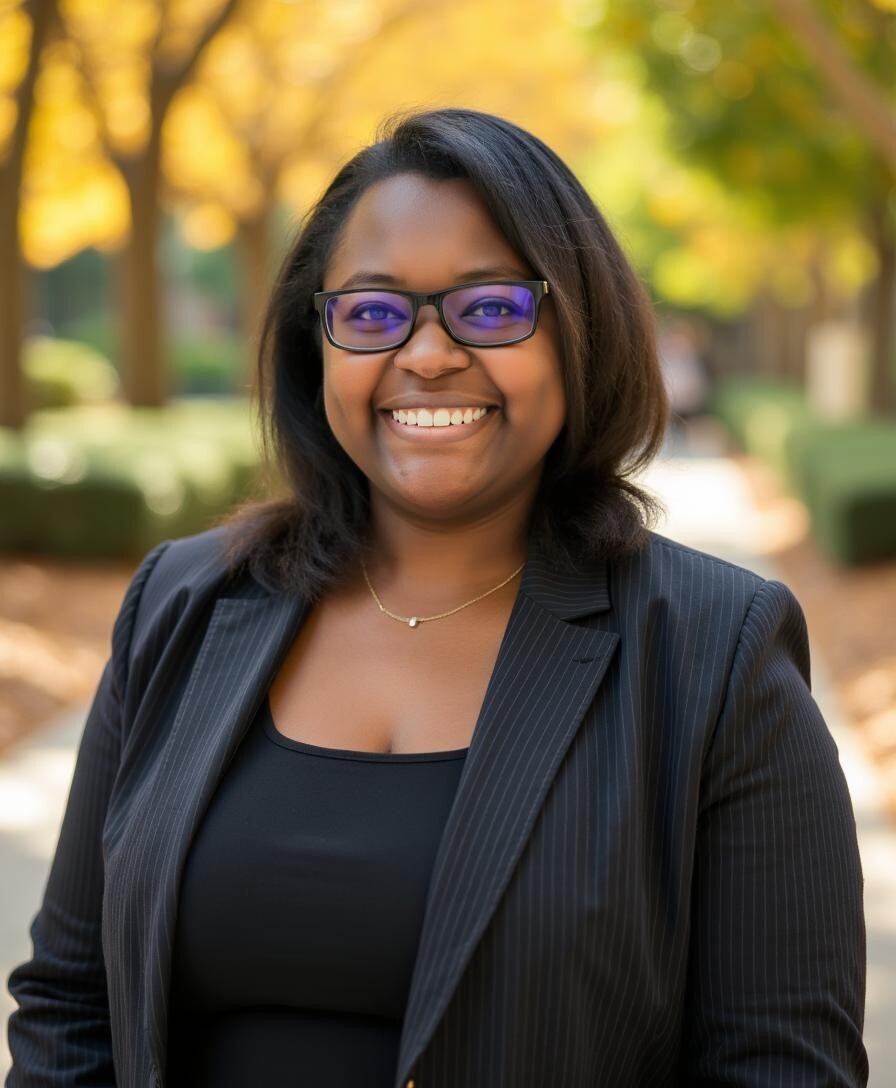
Dr. Burns conducts virtual autism evaluations across all Cultivate BHE locations, guiding parents through the diagnostic process with care, clarity, and expertise.
Dr. Jazmin Burns is a highly experienced, neuro-affirming, and compassionate psychologist dedicated to helping individuals achieve mental and emotional wellness. With a Doctorate in Psychology, Dr. Burns brings a wealth of expertise and care to her clients. She specializes in neurodivergence and psychological evaluations and is passionate about empowering her clients to overcome obstacles and achieve their goals. Experience the transformative power of mental health and neurodevelopmental support with Dr. Burns today.
Families receive a summary of results and clarification about whether diagnostic criteria are met.
Families receive support and direction for what to do next, which may include therapy options and/or school and community resources that meet your child’s needs.
What Families Do After the Autism Diagnosis
If you’re looking for support with autism evaluation in Sebastian, we’re here to guide you through the next step with clarity and compassion.
Call us at 855-444-5664 to get started and have any questions answered. We’re happy to support you and your family.

Talking to a child about autism can bring up a lot of questions. You may be explaining their own autism diagnosis, helping a sibling understand why their brother or sister experiences certain situations differently, or

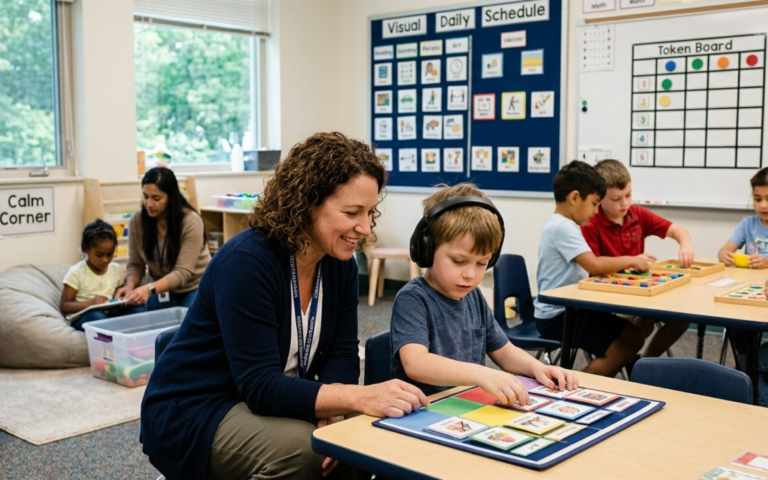
Creating an inclusive classroom that accommodates students with autism requires thoughtful planning, structure, and consistency. Using strategies grounded in applied behavior analysis (ABA), educators can build a predictable, low-stress setting where students thrive academically and socially. Implementing applied behavior analysis techniques
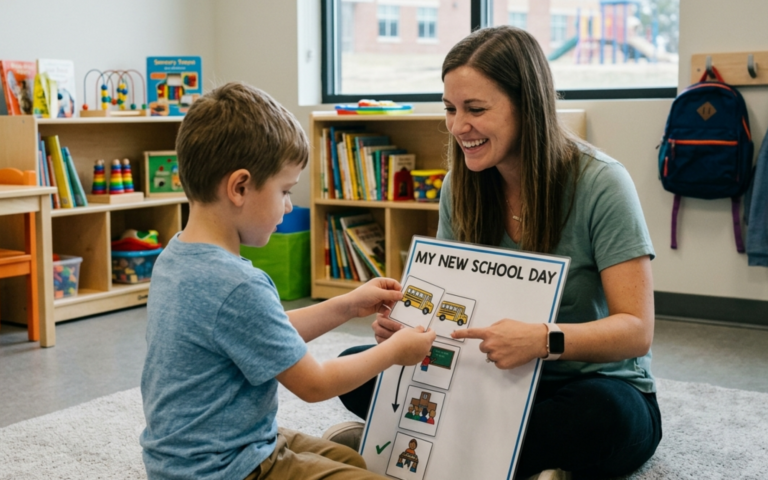
School transitions can be exciting, but they can also be challenging for children with autism. Moving to a new grade, entering a different classroom, meeting new teachers, or starting at a new school can introduce

When parents begin noticing differences in their child’s development, they often search for new ways autism can be identified. One area of growing research is eye tracking technology, which measures where and how long a

![]()
If you have concerns about your child’s development, an autism evaluation can provide helpful answers. A comprehensive assessment allows professionals to better understand how your child communicates, interacts socially, and processes their environment. For many families, the evaluation process helps replace uncertainty with clearer insight that can guide decisions about therapies, educational supports, and other resources.

![]()
Children can be evaluated for autism at many stages of development. Some parents notice early signs during the toddler years, while others begin to have concerns once their child starts preschool or elementary school. If you are observing differences in communication, social engagement, play, or behavior, it may be worthwhile to explore an evaluation regardless of your child’s age.

![]()
The timeline for completing an autism evaluation can vary depending on the provider and the format of the assessment. In-person evaluations may involve longer waitlists due to demand in certain areas. Virtual evaluation options can sometimes offer more flexible scheduling and may allow families to access an appointment sooner.
After a diagnosis, families are usually provided with recommendations for therapies, educational supports, and developmental services that can help their child build important skills. Our team helps families understand these recommendations and identify resources that may support their child’s growth and development.

Yes. Virtual autism evaluations may be available and can be a helpful option for families seeking greater scheduling flexibility. Telehealth assessments can sometimes reduce wait times and provide convenient access to qualified diagnostic providers.
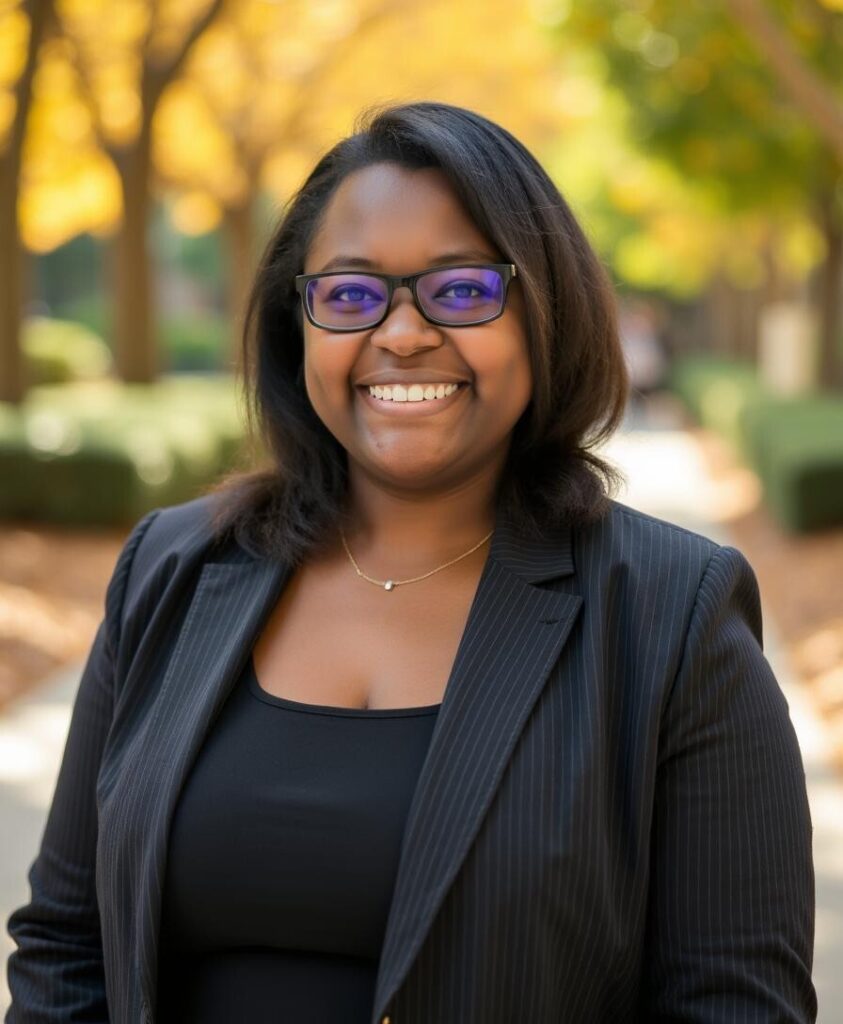
Dr. Jazmin Burns is a highly experienced, neuro-affirming, and compassionate psychologist dedicated to helping individuals achieve mental and emotional wellness. With a Doctorate in Psychology, Dr. Burns brings a wealth of expertise and care to her clients. She specializes in neurodivergence and psychological evaluations and is passionate about empowering her clients to overcome obstacles and achieve their goals. Experience the transformative power of mental health and neurodevelopmental support with Dr. Burns today.
Dr. Burns’ academic journey began with a Bachelor of Arts in English, emphasizing Literature, Criticism, and Theory, along with a minor in Psychology, earned in 2013. She continued her education at Alliant International University, obtaining a Master of Arts in Clinical Psychology in 2017 and a Doctor of Psychology (Psy.D.) degree in 2019.
Dr. Burns’ career in neurodevelopmental disabilities (NDDs) started in 2010 as a volunteer and research assistant at the UC Davis MIND Institute. There, she received extensive training in NDDs under some of the leading experts in the field. Her experience spans roles as an Applied Behavior Analysis (ABA) Behavior Technician and years of specialized training at the UC Davis MIND Institute. She also participated in the Leadership and Education in Neurodevelopmental and Related Disabilities (LEND) program for three years, gaining comprehensive skills in the field.
Throughout her career, Dr. Burns has worked with individuals of all ages across various settings, including private practice, clinics, hospitals, and community-based environments. Her passion for increasing access to care, particularly for underserved populations, led Dr. Burns to become an Authorization Holder, granted the authority to practice by the PSYPACT Commission, allowing her to provide services across state lines. Dr. Burns is committed to empowering families by offering psychoeducation on diagnoses, school rights, and available resources, ensuring they feel confident and capable in supporting their children.