
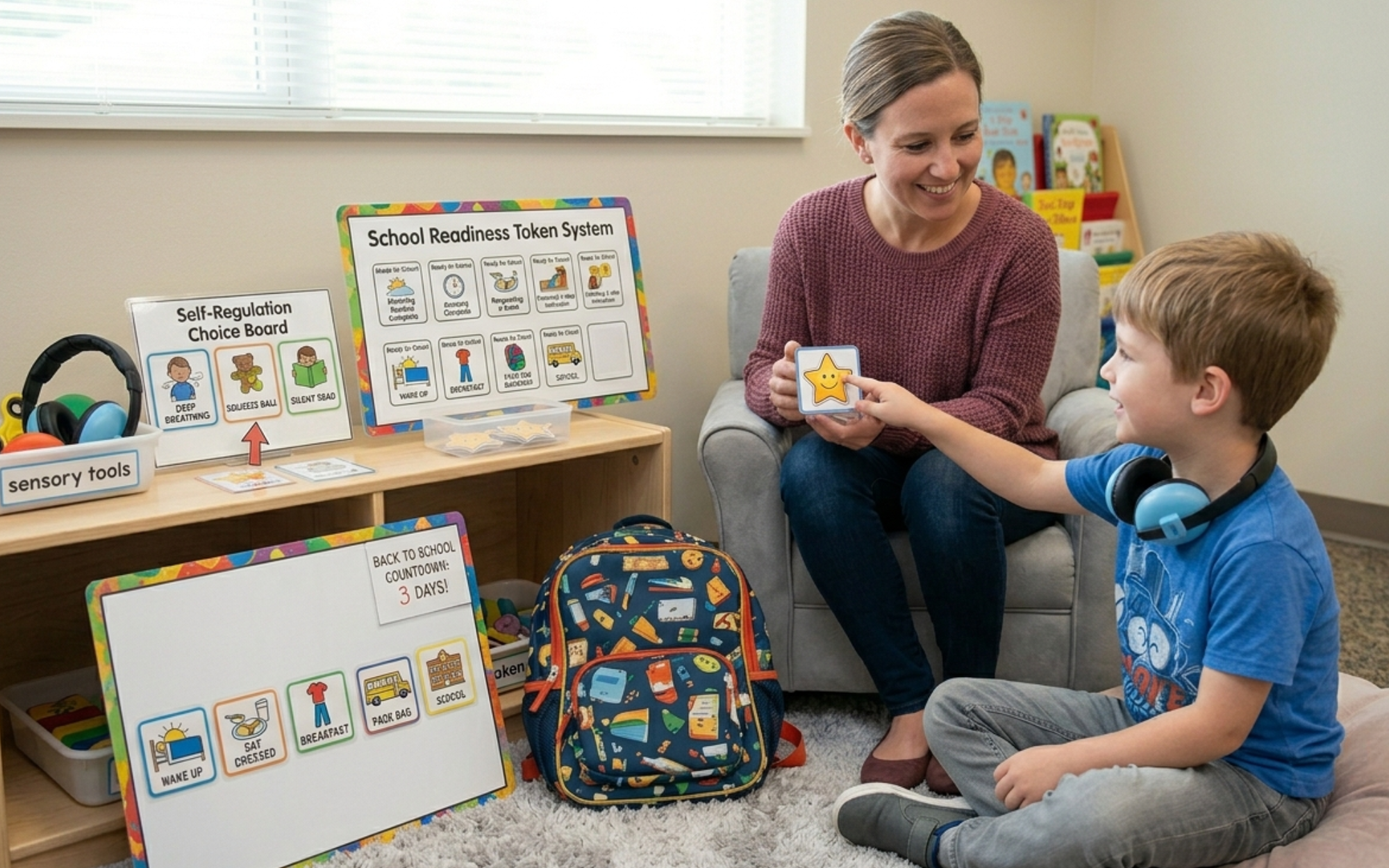
The shift from summer break back to school can be a challenging transition for many children, especially those with autism. After weeks or months of flexible schedules, relaxed routines, and unstructured time, returning to academic expectations can feel overwhelming. This is where ABA therapy (Applied Behavior Analysis) plays a powerful role in helping children adjust successfully.
With the right planning and consistent autism behavior support, families and educators can ease this transition and set children up for a strong start to the school year.
Why the Summer-to-School Transition Can Be Difficult
Children with autism often rely on predictable routines and clear expectations to feel secure. Summer break typically disrupts these patterns, which can lead to challenges such as:
- Difficulty re-establishing morning routines
- Increased anxiety about school expectations
- Sensory sensitivity in busy classroom environments
- Trouble with transitions between activities
- Changes in sleep and mealtime schedules
Without support, these shifts can make the first weeks of school stressful. Fortunately, applied behavior analysis provides structured tools to make this transition smoother.
How ABA Therapy Supports School Readiness
ABA therapy focuses on teaching meaningful skills through structured, evidence-based strategies. When applied to school transitions, aba therapy helps children build routines, reduce anxiety, and improve independence.
Key areas of support include:
- Establishing predictable routines
- Teaching coping and self-regulation strategies
- Strengthening communication skills
- Practicing classroom behaviors and expectations
- Reducing challenging behaviors through reinforcement strategies
By using ABA services before the school year begins, families can proactively prepare children for success.
Effective ABA Strategies for Easing the Transition
Rebuilding School Routines Early
One of the most effective autism behavior support strategies is gradually reintroducing structure before school starts. This may include:
- Waking up and going to bed at school-year times
- Practicing morning routines (dressing, eating breakfast, packing bags)
- Scheduling structured learning or activity blocks during the day
This gradual shift helps children adjust without abrupt changes.
Using Visual Schedules and Supports
Visual supports are a key component of applied behavior analysis. They help children understand expectations and reduce uncertainty.
Examples include:
- Daily visual schedules
- Countdown calendars for the first day of school
- Step-by-step morning routine charts
These tools promote independence and reduce anxiety.
Practicing School Scenarios
ABA-based role-play can help children become familiar with school expectations. Families and therapists may practice:
- Entering and exiting a classroom
- Raising a hand to ask for help
- Following teacher instructions
- Transitioning between subjects or activities
Repetition builds confidence and reduces fear of the unknown.
Reinforcement for Positive Behaviors
ABA services often use reinforcement to encourage desired behaviors. During the transition period, children can earn rewards for:
- Completing morning routines independently
- Using coping skills when frustrated
- Transitioning without resistance
This strengthens positive habits and builds motivation.
Supporting Emotional Regulation
Returning to school can bring emotional ups and downs. ABA therapy helps children identify feelings and use coping strategies such as:
- Deep breathing techniques
- Break requests
- Sensory tools (fidgets, headphones)
- Safe spaces for calming down
These tools are essential for managing school-related stress.
Benefits of ABA Therapy During School Transitions
Using applied behavior analysis during the summer-to-school transition provides many long-term benefits:
- Reduced anxiety around returning to structured environments
- Improved independence with daily routines and school tasks
- Stronger communication skills for expressing needs and emotions
- Better behavioral outcomes in classroom settings
- Smoother transitions between home and school expectations
- Increased confidence in new academic routines
These outcomes demonstrate how ABA therapy supports not just behavior change, but overall readiness for learning and growth.
The transition from summer break back to school can be a major adjustment for children with autism, but it doesn’t have to be overwhelming. With consistent ABA services, structured planning, and supportive strategies grounded in applied behavior analysis, families can help children feel prepared, confident, and successful.
By focusing on routine-building, emotional regulation, and positive reinforcement, autism behavior support becomes a powerful bridge between summer freedom and school-year structure.
View our Blog page for more informative resources like Understanding and Supporting the Unique Communication Needs of Nonverbal Children with Autism, Managing Meltdowns: ABA Tips for Handling Stressful Public Outings, and Outdoor Summer Activities for Autism Support.