
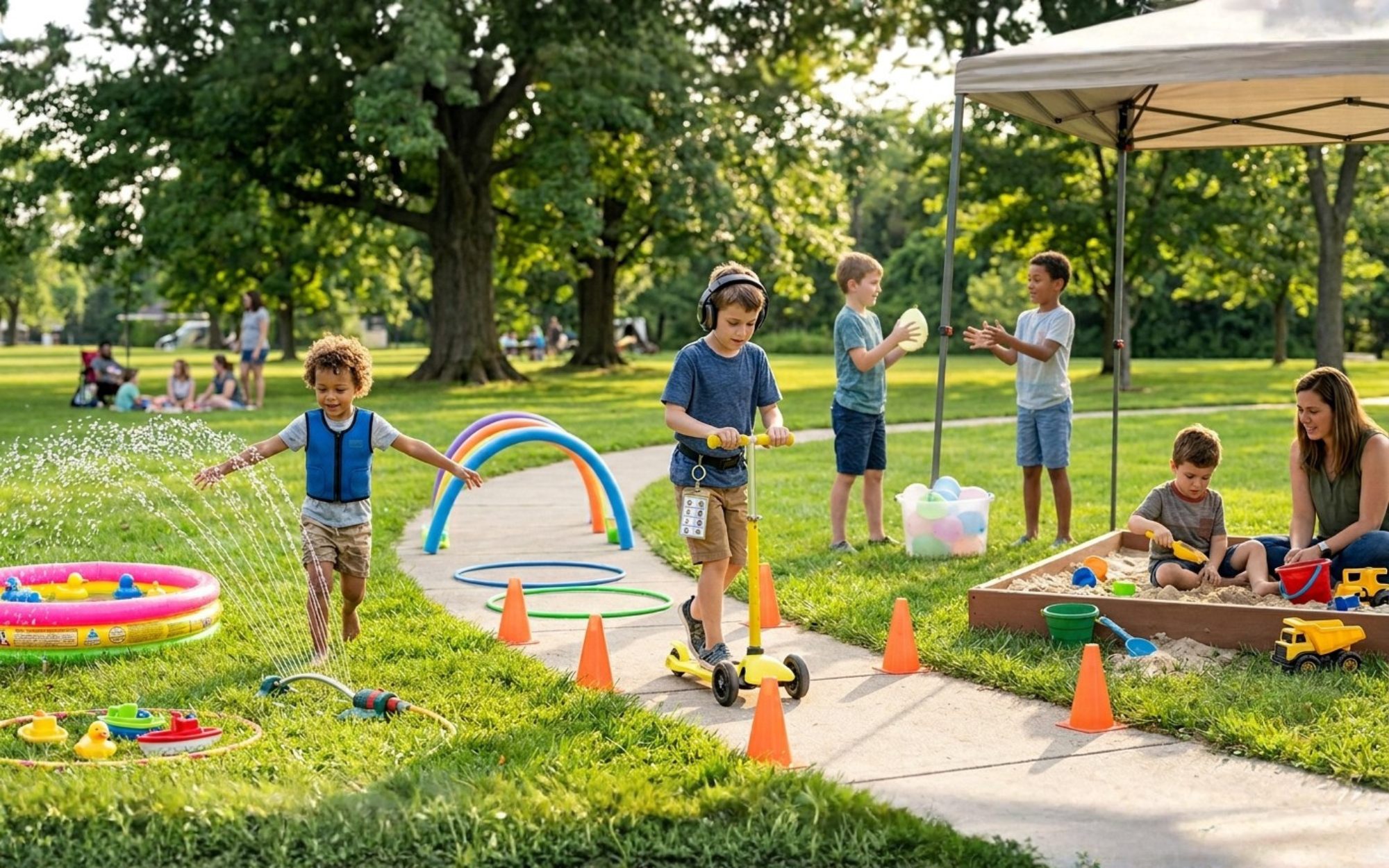
Summer is the perfect time for children with autism to explore the outdoors, stay active, and develop important life skills through play. Outdoor activities can provide valuable opportunities for movement, sensory exploration, social interaction, and skill-building while creating enjoyable family experiences. Whether your child receives ABA therapy, participates in ABA services, or benefits from other forms of autism behavior support, incorporating structured outdoor activities into their summer routine can support their growth and development.
Why Outdoor Activities Matter for Children with Autism
Children with autism often benefit from activities that provide sensory input, encourage physical movement, and promote social engagement. Outdoor play can help improve coordination, motor planning, communication, and self-regulation. Many activities can also complement strategies used in applied behavior analysis (ABA) therapy by creating natural opportunities to practice following directions, taking turns, and building independence.
Here are several sensory-friendly outdoor summer activities that can support children with autism while keeping them active and engaged.
Sprinkler Play
Sprinkler play is a fun and flexible activity that offers predictable water input compared to larger, less predictable environments like swimming pools. Children can control their level of interaction with the water, making it easier to adjust the experience to their comfort level.
Benefits of sprinkler play:
- Encourages running, jumping, and physical activity
- Supports coordination and gross motor development
- Provides sensory input in a controlled environment
- Can be customized based on individual preferences and sensitivities
Swimming
Swimming is a favorite summer activity for many families and offers numerous benefits for children with autism. The water provides whole-body sensory input that many children find calming and regulating.
Benefits of swimming:
- Supports strength and endurance
- Improves coordination and motor skills
- Enhances body awareness
- Encourages confidence and independence
- Provides a low-impact form of exercise
Swimming can also create opportunities to practice following instructions, waiting for turns, and engaging in social interactions, all of which are common goals in ABA therapy programs.
Water Balloon Toss
A water balloon toss combines movement, fun, and skill development. For children who may be sensitive to traditional balloons, soft reusable water balloons can offer a more sensory-friendly alternative.
Benefits of water balloon toss:
- Promotes turn-taking and cooperative play
- Supports motor planning skills
- Improves hand-eye coordination
- Encourages communication and social interaction
Obstacle Courses
Creating a backyard obstacle course is an excellent way to support physical development while keeping children engaged. Simple materials such as cones, pool noodles, hula hoops, chalk, and stepping stones can be used to design activities that match a child’s abilities and interests.
Benefits of obstacle courses:
- Helps develop balance and coordination
- Supports motor planning and sequencing skills
- Encourages following multi-step directions
- Can be tailored to individual strengths and support needs
- Provides opportunities for positive reinforcement and skill practice
Obstacle courses can easily be incorporated into autism behavior support strategies by breaking tasks into manageable steps and celebrating successful participation.
Scooter Riding
Scooter riding is a fun outdoor activity that helps children build important physical skills while enjoying movement-based play.
Benefits of scooter riding:
- Builds balance and coordination
- Provides vestibular (movement) input
- Strengthens core muscles
- Encourages body awareness and motor control
- Supports confidence and independence
Children can practice navigating simple paths, following directions, and stopping at designated points, making scooter riding both enjoyable and educational.
Sandbox or Digging Station
For children who enjoy tactile experiences, a sandbox or digging station can provide hours of sensory-friendly fun. Digging, scooping, and building offer opportunities for exploration and creativity while supporting sensory needs.
Benefits of sandbox play:
- Provides tactile exploration in a controlled setting
- Encourages imaginative play
- Supports fine and gross motor development
- Digging offers resistance that many sensory seekers enjoy
- Promotes focus and engagement
Adding tools such as buckets, shovels, toy construction vehicles, or hidden treasures can increase interest and create opportunities for communication and problem-solving.
Supporting Autism Through Outdoor Play
Outdoor activities provide meaningful opportunities for children with autism to learn, grow, and connect with others. When paired with strategies from ABA therapy and applied behavior analysis, summer play can support skill development in a natural and enjoyable environment.
Parents and caregivers can maximize success by:
- Following the child’s interests
- Providing visual supports when needed
- Creating predictable routines
- Offering choices and flexibility
- Celebrating effort and participation
Every child is unique, and the best activities are those that match their individual strengths, preferences, and sensory needs. With a little creativity, summer can become a season filled with fun, learning, and growth for children receiving ABA services and autism support.
From sprinkler play and swimming to obstacle courses and sandbox adventures, outdoor summer activities can provide valuable benefits for children with autism. These experiences support physical development, sensory regulation, social interaction, and skill-building while creating lasting memories. By incorporating engaging outdoor activities into your summer routine, you can help your child stay active, have fun, and continue making progress toward their goals.
Explore more sensory friendly activities and crafts at our Blog page like Sensory-Friendly Summer Ideas for Children with Autism, 5 Autism-Friendly Summer Travel Ideas for Family Fun, and Creating a Shaving Cream Sensory Bin for Autism Support.