
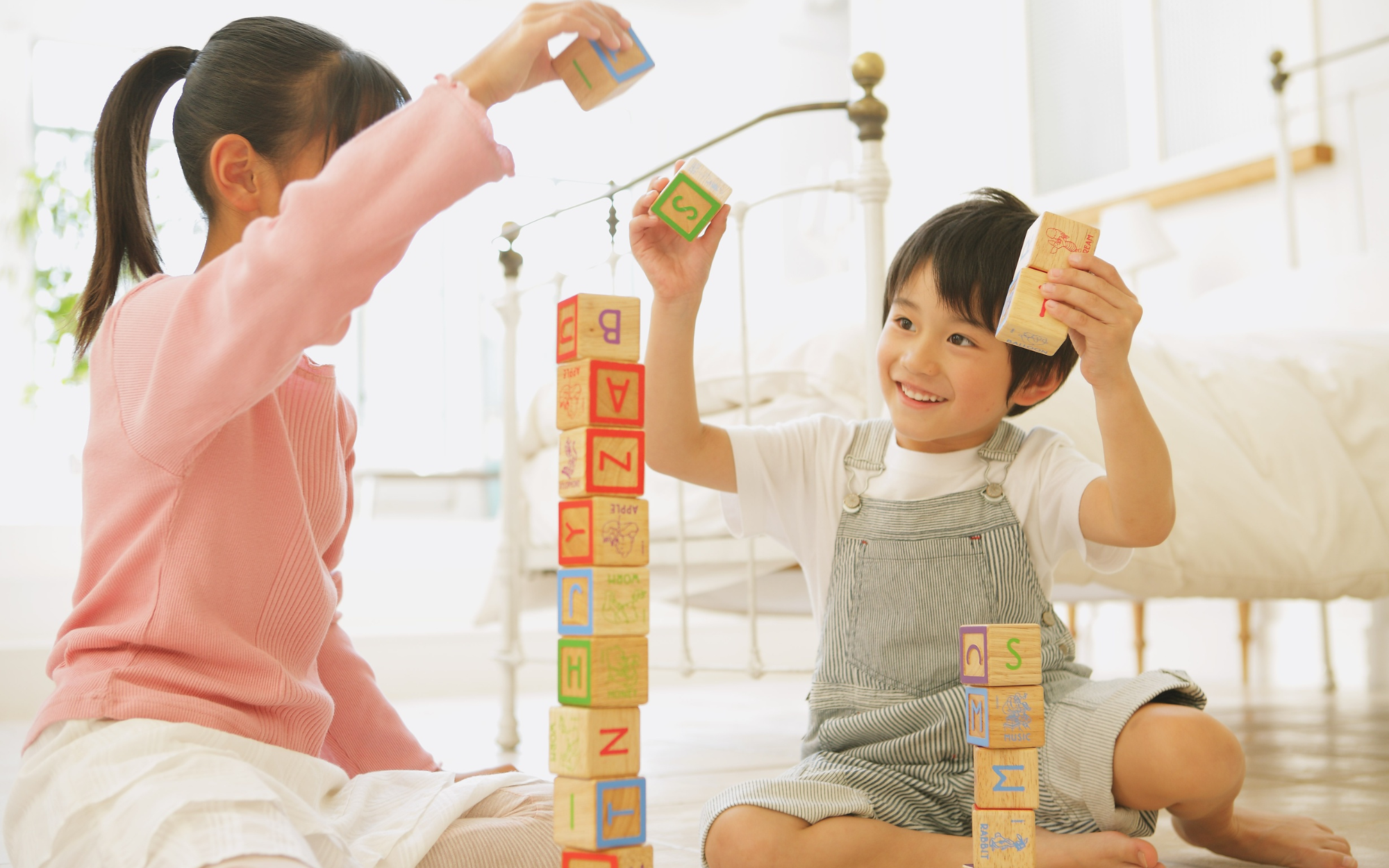
When a child is diagnosed with autism, the entire family begins a new journey together. Parents often focus on finding the right support, such as ABA therapy, educational resources, and autism behavior support, but siblings also need guidance. Explaining autism to siblings in an honest, age-appropriate way can strengthen family relationships, encourage empathy, and reduce confusion or frustration.
Here’s how families can help siblings better understand autism while creating a supportive and loving home environment.
Start with Simple, Honest Conversations
Children notice differences quickly, especially between siblings. They may wonder why their brother or sister behaves differently, attends ABA therapy sessions, or reacts strongly to certain situations. Use simple language that matches the child’s age and understanding.
Avoid making autism sound negative or something that needs to be “fixed.” Instead, explain that every person has strengths and challenges.
For younger children, compare differences to everyday examples:
- Some people wear glasses to help them see.
- Some people need extra help learning certain skills.
- Some children need a little bit more support in understanding their emotions or communication.
This approach helps normalize differences and encourages acceptance.
Explain That Autism Looks Different for Everyone
One important point siblings should understand is that autism is not the same for every person. Some children may talk a lot, while others may communicate nonverbally. Some may enjoy social interaction, while others prefer quiet spaces.
This is also a good time to explain how services like ABA therapy and autism behavior support can help children build important life skills.
You can say:
“ABA therapy helps your sibling learn things that may feel harder for them, like communication, routines, or handling big emotions.”
Introducing concepts like applied behavior analysis in a simple way can help siblings understand why ABA therapy is part of daily life.
Encourage Questions
Siblings may have concerns they are afraid to share. They might ask:
- “Why does my sibling have meltdowns?”
- “Why does my sibling get more attention?”
- “Does autism go away?”
Answer questions calmly and honestly. Open conversations reduce fear and misunderstandings.
If you don’t know an answer, it’s okay to say:
“That’s a really good question. Let’s learn about it together.”
Creating a safe environment for communication helps siblings feel included and valued.
Talk About Strengths, Not Just Challenges
Children with autism often have incredible strengths, talents, and unique personalities. When explaining autism to siblings, make sure the conversation includes positive traits too.
For example:
- Great memory skills
- Creativity
- Honesty
- Deep focus on favorite interests
- Unique ways of thinking
This helps siblings see autism as one part of who their sibling is — not their entire identity.
Help Siblings Understand Therapy and Support Services
Many families use ABA services to help children with autism develop communication, social, and daily living skills. Siblings may notice therapists visiting the home or routines centered around sessions.
Explain that ABA therapy is designed to support learning and independence through encouragement and positive reinforcement.
You might explain:
“The therapist helps your sibling practice skills that may be difficult for them, like talking, sharing, or staying calm when upset.”
When siblings understand the purpose behind therapy, they are more likely to become supportive and involved.
Teach Empathy and Patience
Siblings of children with autism often develop strong compassion and emotional intelligence. However, they may also experience frustration at times.
Teach them that behaviors related to autism are not intentional acts of being “bad” or “mean.” For example:
- Loud noises may feel overwhelming
- Changes in routine can cause anxiety
- Communication difficulties may lead to frustration
Helping siblings understand these challenges builds patience and empathy while reducing resentment.
Make Time for Every Child
It’s common for siblings to sometimes feel overlooked when one child requires additional support or therapy appointments. Parents should make intentional one-on-one time for each child.
Even small moments matter:
- Reading together
- Going for ice cream
- Talking before bedtime
- Attending their activities
This reassures siblings that they are equally important and loved.
Benefits of Explaining Autism to Siblings
Open conversations about autism can create long-term benefits for the entire family.
Stronger Family Bonds
Understanding encourages connection, teamwork, and emotional closeness between siblings.
Greater Empathy
Children learn compassion, patience, and acceptance of differences.
Reduced Confusion and Anxiety
Clear explanations help siblings better understand behaviors and routines at home.
Improved Communication
Honest discussions create trust and encourage children to share feelings openly.
More Supportive Relationships
Siblings often become positive role models and lifelong advocates for their brother or sister.
Explaining autism to siblings is an ongoing conversation, not a one-time discussion. As children grow, their understanding will deepen, and new questions may arise. By using honest communication, empathy, and education, families can create a supportive environment where every child feels valued.
Services like ABA therapy, applied behavior analysis, and autism behavior support can also play an important role in helping children with autism thrive while giving families tools to better understand and support one another.
With patience and openness, siblings can build meaningful relationships rooted in understanding, acceptance, and love.
View our Blog page for more informative resources like Navigating an Autism Diagnosis as Parents and Caregivers, How to Create a Sensory-Friendly Environment at Home with ABA Principles, and Exploring the Role of ABA in Supporting Sibling Relationships in Neurodivergent Families.