
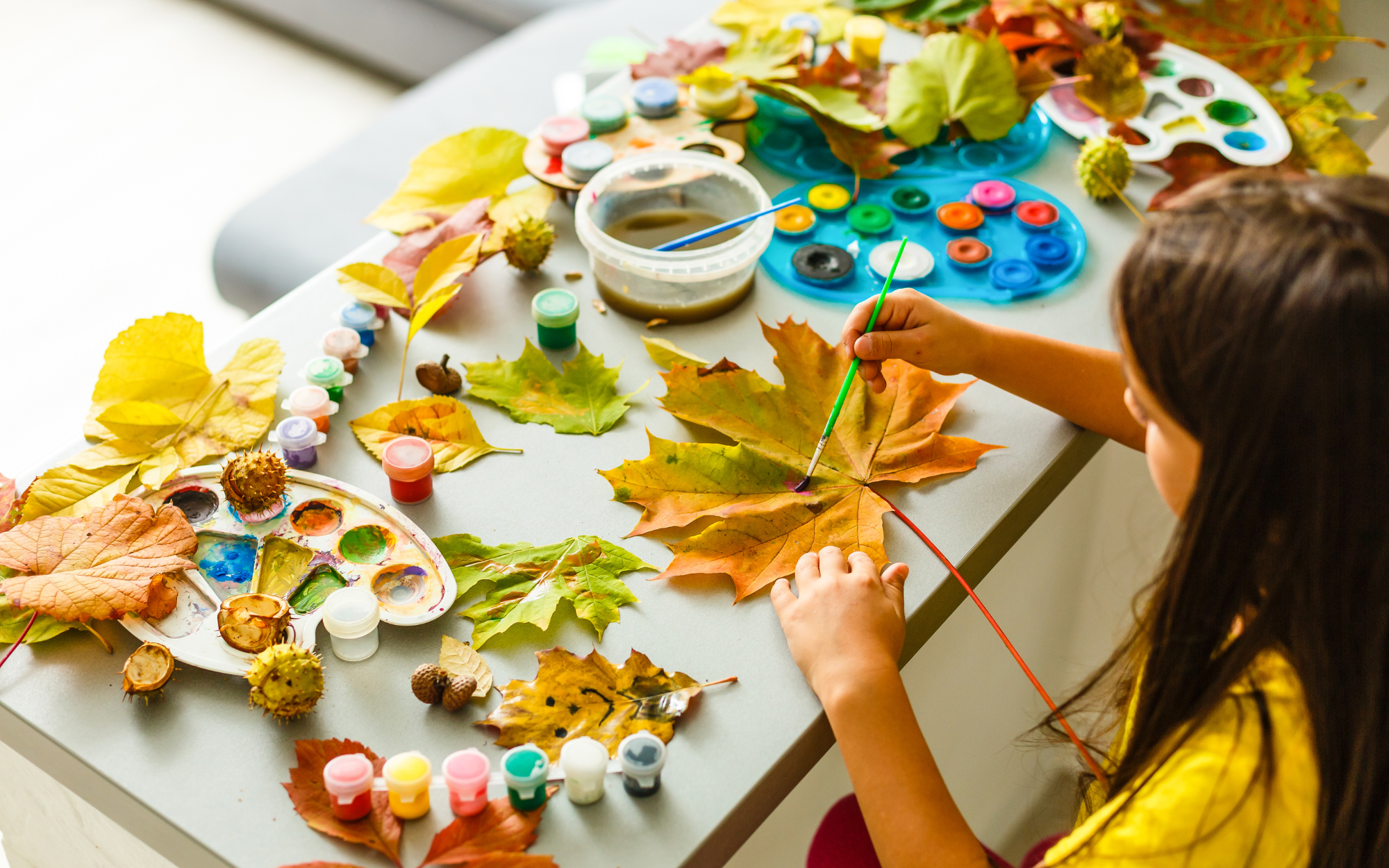
Autumn is a season filled with vibrant colors, cozy vibes, and the beauty of nature transforming. One way to tap into the calming and sensory-rich environment of fall is by engaging in a fall-themed painting craft! This activity isn’t just fun; it’s a great way to provide therapeutic benefits, especially for children in aba therapy. Using a simple set of materials like non-toxic finger paints and paper, this craft can serve as a soothing, creative outlet while also enhancing sensory integration, a key focus in ABA therapy and autism behavior support.
Why Fall-Themed Painting is a Sensory Craft Ideal for Autism
For children with autism, sensory activities can be an essential part of their development. These activities help improve sensory processing skills and provide a comforting way to experience and interact with the world. Finger painting with autumn-inspired colors such as reds, oranges, yellows, and browns can engage multiple senses at once, including touch, sight, and even smell if you incorporate scents like cinnamon or apple. Here’s how this simple craft ties into ABA therapy and benefits children on the autism spectrum:
1. Sensory Integration
Finger painting is a wonderful sensory experience that allows children to explore different textures and sensations. The soft, smooth texture of the paint, combined with the freedom to squish and spread it with their fingers, can be soothing for children who may be sensitive to touch. The tactile experience encourages fine motor skill development and offers a calm, focused activity. This is particularly helpful in ABA therapy, where activities are designed to improve both sensory processing and motor planning.
2. Visual Stimulation with Fall Colors
The rich, warm colors of fall—reds, oranges, yellows, and browns—can be calming and visually stimulating at the same time. For children with autism, certain colors can have a positive impact on mood and attention. The vibrant tones of autumn inspire creativity while providing visual feedback, which helps with focus and engagement. In the context of autism behavior support, visually stimulating crafts like fall-themed painting can keep children interested and motivated during therapy sessions.
3. Creative Expression
Fall-themed painting allows children to express themselves creatively. It’s an open-ended activity where they can paint whatever comes to mind, whether it’s a fall leaf, a pumpkin, or simply abstract patterns of color. This creative freedom can help children feel empowered and give them a non-verbal way to communicate. Creativity is an essential skill, and engaging in arts and crafts can boost self-confidence and emotional expression, all while promoting positive behavior and skills in ABA services.
4. Relaxing and Calming Experience
The physical act of finger painting can be incredibly relaxing. The repetitive motion of dipping fingers in paint and creating patterns or images can help children regulate their emotions and reduce stress. For children who may struggle with anxiety or frustration, this sensory craft provides a calming environment where they can take their time, explore, and get lost in the act of creating. As part of ABA therapy, these types of calming activities help children build self-regulation skills.
5. Incorporating Textures for Added Stimulation
To enhance the sensory experience, you can incorporate additional textures like crumpled paper, soft fabrics, or textured stickers into the painting. These added elements increase sensory input and create a more dynamic experience. Sensory activities that engage multiple senses at once are often used in autism behavior support programs to help children learn to navigate and respond to different sensory stimuli in their environment.
How to Create Your Fall-Themed Painting
Materials:
Non-toxic finger paints in fall colors (reds, oranges, yellows, browns)
Paper (preferably thick, like watercolor paper or construction paper)
Optional: Crumpled paper, soft fabrics, or textured materials
Activity Instructions:
Prepare the Space: Lay out a large sheet of paper on a flat surface (like a table or the floor). Ensure the area is covered with newspaper or a plastic sheet to protect surfaces from paint.
Choose Your Colors: Lay out the finger paints in separate containers, each filled with vibrant autumn colors. You can also mix the colors for fun variations.
Dip and Paint: Let each participant dip their fingers into the paint and begin creating their artwork. Encourage them to explore different patterns, shapes, and textures. You can suggest ideas like making a fall leaf, a pumpkin, or simply creating an abstract color palette.
Add Textures: For added sensory stimulation, crumple pieces of paper or fabric and press them into the paint to add texture. This also creates an interesting visual effect, combining color and texture in a playful way.
Enjoy and Reflect: Once the artwork is finished, let it dry and reflect on the sensory experience. Discuss the colors, the feel of the paint, and how the textured elements changed the experience. This can also be an excellent opportunity to work on verbal communication or help children articulate their sensory experiences.
Benefits of Fall-Themed Painting for Autism and ABA Therapy
Promotes Sensory Regulation: Helps children practice self-regulation and manage sensory sensitivities.
Encourages Fine Motor Skills: The act of painting with fingers helps develop hand-eye coordination and strengthens fine motor muscles.
Supports Emotional Expression: Allows children to express themselves creatively and non-verbally.
Boosts Focus and Attention: The soothing, repetitive nature of the activity encourages sustained attention, a key goal in ABA services.
Enhances Visual Perception: The bright, contrasting colors engage the visual sense and help with focus and processing.
Engaging in a fall-themed painting activity is more than just a fun craft. It’s a powerful sensory experience that provides both therapeutic benefits and creative outlets, making it an excellent tool for children with autism. Whether used in a therapy setting or as a family activity, this craft offers opportunities for learning, growth, and relaxation. By incorporating colorful paints and textured elements, you can help children engage their senses and develop new skills, all while enjoying the beauty of the fall season.
So, gather your materials, dip those fingers in paint, and enjoy the therapeutic power of art this fall!
Checkout our Blog page for more informative seasonal resources like Pumpkin Painting, Apple Stamps, and ABA Approaches to Managing Sensory Overload During the Halloween Season.