
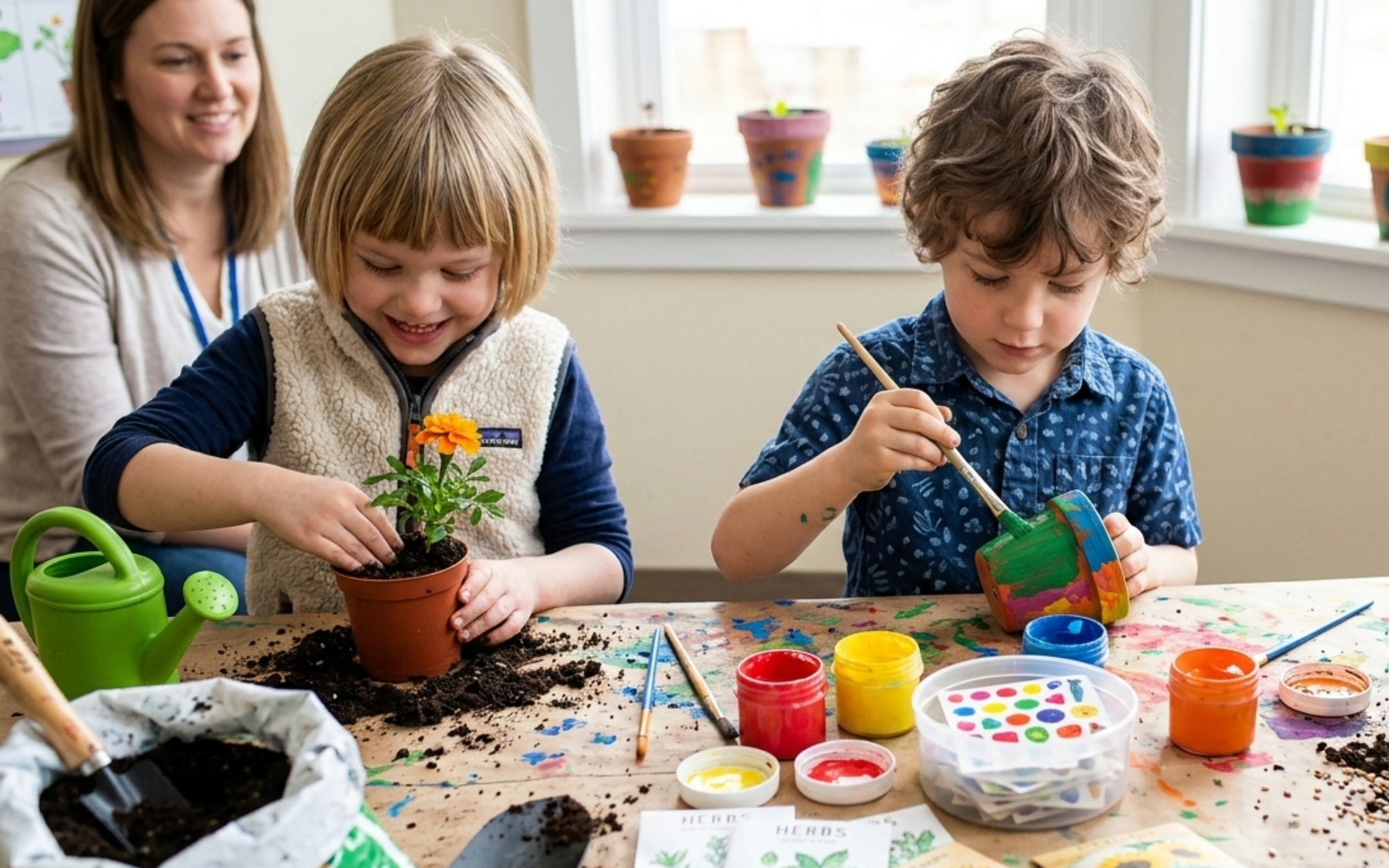
Crafting can be a powerful tool for children with autism, providing both a creative outlet and opportunities to engage with their senses. One fun, educational, and sensory-rich activity is making seedling pots. Not only does it involve art and creativity, but it also introduces children to the world of plant growth, providing valuable sensory experiences that promote learning and focus.
If you’re a parent, caregiver, or therapist offering ABA therapy (Applied Behavior Analysis), adding sensory activities like seedling pots to the mix can be a wonderful way to engage your child in the process of learning while addressing key behavioral goals. In this blog post, we’ll explore how to create these seedling pots and the many benefits of this sensory craft for children with autism.
Materials You’ll Need
Small pots (terracotta or plastic)
Potting soil
Seeds (flowers, herbs, or vegetables)
Paint or other craft materials (stickers, markers, etc.)
These simple materials come together to create an engaging, hands-on experience that incorporates various sensory stimuli, such as sight, touch, and smell.
How to Make Seedling Pots: Step-by-Step
Decorate the Pots
Start by letting the children decorate their pots. Provide various painting materials (paintbrushes, colorful markers, stickers, etc.), allowing them to engage their creativity. The action of painting or decorating helps children improve their fine motor skills while providing a satisfying visual experience. For kids with autism, it can also be a calming activity, as repetitive motions like brushing or dotting can be soothing.Plant the Seeds
Once the pots are decorated, it’s time to plant the seeds. Fill the pot with soil, and have the children place the seeds into the soil. They can feel the texture of the dirt as they press the seeds into the soil, which provides an opportunity to engage with different sensory textures. This tactile engagement can be soothing for children with autism, and the gentle pressure of planting can help improve sensory processing skills.Water and Watch the Growth
After planting the seeds, the children can water their plants regularly and watch them grow. As the plants begin to sprout, kids can see the changes in texture and size. This provides ongoing sensory engagement as they explore the feel of the soil, observe the leaves and stems, and even smell the plants (if they’re flowers or herbs). This process encourages patience and teaches children about growth, cause and effect, and responsibility.
The Benefits of Seedling Pots for Children with Autism
1. Sensory Stimulation
One of the key benefits of this activity is its rich sensory experience. Sensory activities are highly beneficial for children with autism as they help them explore and integrate various sensory inputs. For children with sensory sensitivities, the textures of the soil, paint, and plants can be an engaging experience that encourages them to interact with their environment in a more meaningful way.
2. Promotes Fine Motor Skills
Decorating the pots, scooping and pouring the soil, and placing the seeds into the pots all work on improving fine motor coordination. These types of activities are often incorporated into ABA therapy sessions to help children strengthen their hand-eye coordination and grasp skills.
3. Boosts Focus and Attention
Engaging in a task like planting seeds and caring for the plants helps children with autism work on their focus and attention skills. Watching the plants grow over time teaches children about the process of nurturing and waiting. It’s a great way to practice patience and encourage long-term goal setting, which is an essential part of many ABA services.
4. Connection to Nature
Spending time with nature is known to have positive effects on both mental and physical health. In children with autism, connecting with the natural world can provide grounding and calming experiences. The growing plants offer a consistent, tangible source of joy and discovery. Plus, interacting with plants helps children understand the cycles of life, growth, and change.
5. Social Interaction
This craft can also be a great group activity, encouraging children to collaborate, share resources, and take turns. Social interaction is a significant component of autism behavior support and ABA therapy. Group crafting can be a fun, low-pressure way to practice these social skills while still being engaged in a meaningful activity.
6. Emotional Regulation
Engaging in hands-on projects like seedling pots provides a sensory outlet for children to express emotions. The repetitive actions of watering and nurturing the plants can be calming, and the successful growth of a plant can provide a sense of achievement and self-confidence. It can also be a good conversation starter and a way to build emotional expression in children who might otherwise struggle with this.
Creating seedling pots is a simple yet incredibly effective sensory craft that offers a wide array of benefits for children with autism. From engaging their senses to improving fine motor skills, this activity is a great addition to any ABA therapy routine or home-based sensory play. Whether you’re using it to practice patience, enhance focus, or explore nature, planting seeds is a wonderful way to integrate sensory experiences into your child’s daily life.
By incorporating these activities into your routine, you’re providing a space for learning, growth, and sensory exploration that can have long-lasting benefits for both the child and their development. For families or professionals offering autism behavior support, sensory crafts like seedling pots are a fun and meaningful way to engage children and promote their growth in a holistic, supportive way.
Checkout our Blog page for more informative resources like The Benefits of Getting a Virtual Autism Diagnostic Evaluation, The Benefits of Parent-Child Play-Based ABA Therapy, and The Importance of Early Autism Diagnosis.