
If you’ve been searching for in-home ABA therapy near Naperville, IL, you’re likely trying to understand what options are available and what setting would be best for your child.
Choosing services for your child can feel overwhelming. You may be wondering:
- Should therapy happen at home?
- Is center-based therapy better?
- How do we know what’s right?
The truth is that the answer depends entirely on your child.
At Cultivate Behavioral Health & Education, we believe therapy should never be one-size-fits-all. Every recommendation we make is based on clinical assessment, developmental needs, and long-term outcomes.
What Is ABA Therapy?
Applied Behavior Analysis (ABA) therapy is an evidence-based approach designed to help children with autism spectrum disorder (ASD) and other developmental differences build meaningful life skills.
ABA therapy focuses on:
- Communication development
- Social interaction
- Emotional regulation
- Independent living skills
- Reducing behaviors that interfere with learning
Programs are supervised by a Board Certified Behavior Analyst (BCBA) and are individualized to each child’s strengths and areas of growth.
The most important thing to understand is that the environment in which therapy takes place is part of the clinical decision-making process.
When Is In-Home ABA Therapy Recommended?
Many families searching for in-home ABA therapy near Naperville, IL are specifically hoping for home-based services. However, at Cultivate, in-home ABA therapy is recommended only when a clinical manager or BCBA determines that it is the most appropriate setting for your child’s goals.
In-home services may be recommended when:
- Treatment goals focus heavily on daily living routines (mealtime, bedtime, toileting, dressing)
- A child needs support generalizing skills in their natural home environment
- Parent or caregiver coaching is a primary objective
- Practicing communication skills within real-life family interactions is clinically beneficial
Why the Therapy Setting Matters
All children learn differently in different environments. For some children, a structured center setting with predictable routines and peer opportunities accelerates progress. For others, practicing skills where they naturally occur like inside the home can be incredibly impactful.
When evaluating whether in-home ABA therapy is appropriate, our clinical team considers:
- Attention and learning style
- Safety considerations
- Behavioral intensity
- Family goals
- Generalization needs
- Long-term independence
The setting is chosen to maximize meaningful, sustainable growth.
What In-Home ABA Therapy Looks Like
When clinically recommended, in-home ABA therapy is structured, individualized, and supervised by a Board Certified Behavior Analyst (BCBA). While sessions take place in the home environment, they are highly intentional, data-driven, and aligned with clearly defined treatment goals.
Unlike informal support, in-home ABA therapy follows a written treatment plan developed after assessment. Therapists collect data during each session, and BCBAs regularly review progress to make adjustments as needed.
Depending on your child’s goals, sessions may focus on:
Functional Communication During Everyday Routines
For example, a therapist might help a child learn to request snacks appropriately instead of crying, ask for help during homework time, or use words or an AAC device to communicate during play. Practicing these skills in the actual environment where they naturally occur helps strengthen generalization.
Independent Play Skills
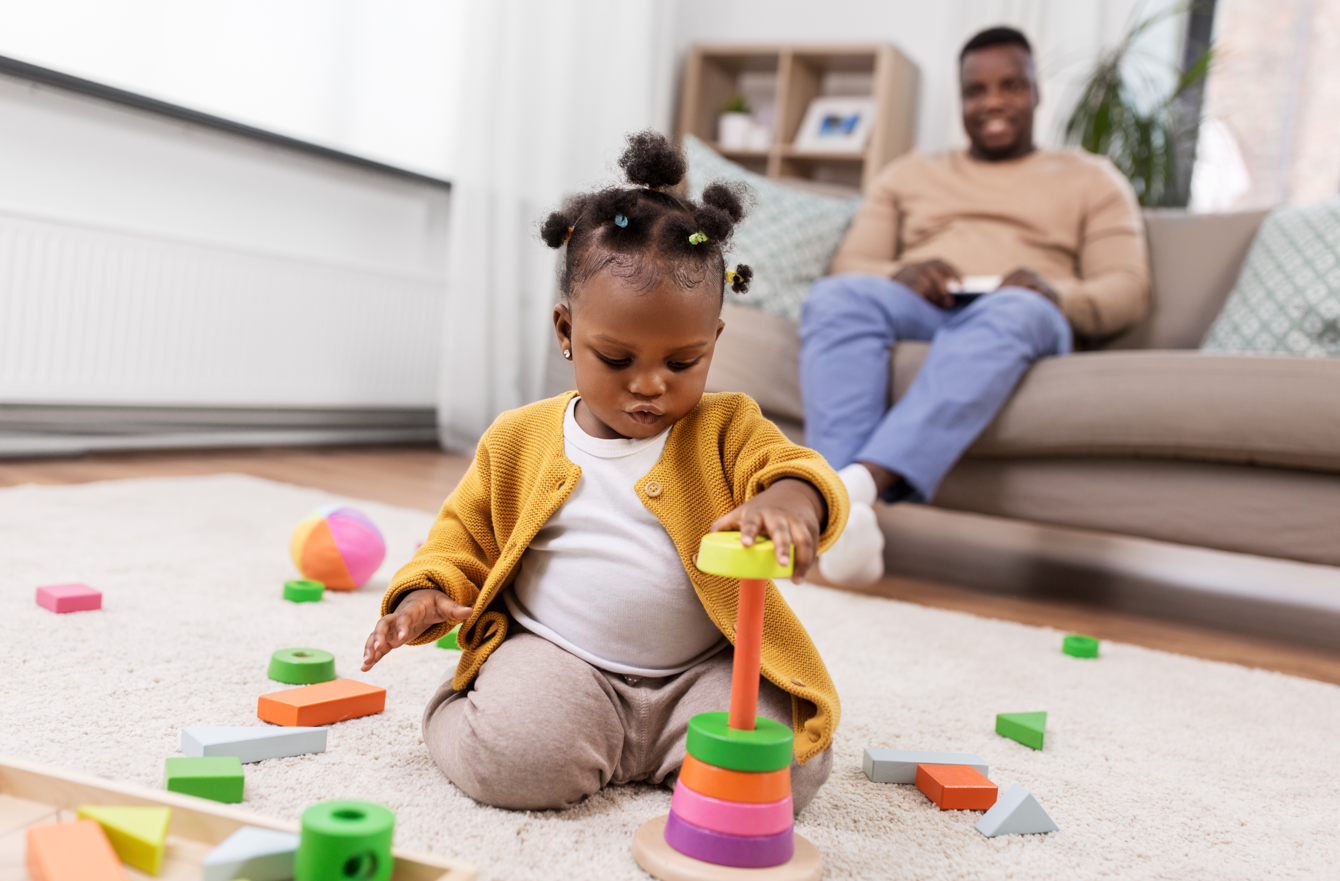
If a child struggles with playing independently, therapy may include structured play activities that gradually build attention, imagination, and flexibility. A therapist might model how to engage with toys, expand play sequences, and reduce reliance on constant adult prompting.
Following Directions Within the Home
Therapy may target skills such as responding to “clean up,” “come here,” or “time to wash hands.” Practicing these instructions in real-time home situations increases consistency and independence.
Transitioning Between Activities
Many children benefit from learning how to move from preferred to non-preferred tasks with less resistance. A therapist may use visual supports, countdown systems, or reinforcement strategies to teach smoother transitions from screen time to dinner, or from play to bedtime routines.
Daily Living Skills
In-home therapy is especially helpful when goals include dressing, brushing teeth, feeding skills, toileting routines, or other self-care tasks. Practicing these skills in the actual bathroom, kitchen, or bedroom supports real-world independence.
Reducing Challenging Behaviors in Natural Settings
If challenging behaviors occur most often at home, therapy may focus on identifying triggers, teaching replacement behaviors, and coaching caregivers on proactive strategies. For example, instead of engaging in aggression when frustrated, a child may learn to request a break or use coping strategies.
Caregiver Involvement Is Essential
Parents and caregivers are active participants in the therapy process. ABA is most effective when families feel confident implementing strategies outside of scheduled sessions.
During in-home ABA therapy, therapists may:
- Model how to prompt communication
- Demonstrate reinforcement strategies
- Practice behavior-management techniques with caregivers
- Provide feedback and coaching in real time
- Help establish consistent routines that support learning
The goal is creating progress and reaching a sustainable, long-term growth that continues throughout daily life.
Our therapists collaborate closely with caregivers to ensure strategies are practical, respectful of family routines, and aligned with your values. Skills learned during sessions are intentionally practiced across different situations so that progress extends beyond the therapy environment.
How Cultivate Behavioral Health & Education Supports Families in Naperville
At Cultivate Behavioral Health & Education, we are committed to delivering high-quality, ethical, and individualized ABA services.
Families in Naperville and surrounding communities can expect:
- Comprehensive Clinical Assessments: We take the time to understand your child fully before recommending any service model.
- Individualized Treatment Plans: No generic programs. Every goal is written specifically for your child.
- Collaborative Care: We partner closely with families, physicians, schools, and other providers when appropriate.
- Ongoing Supervision: BCBAs oversee therapy implementation, review data regularly, and adjust programming as needed.
- Evidence-Based Practices: Our clinical decisions are grounded in research and measurable outcomes.
Our mission is to help children build skills that support independence, confidence, and long-term success.
Serving Naperville and Surrounding Communities
Our team at Cultivate proudly supports families throughout Naperville and neighboring communities, including Aurora, Lisle, Wheaton, Bolingbrook, and Downers Grove. Our team understands the unique needs of families across the western suburbs and is committed to increasing access to high-quality, individualized ABA services in the area.
If in-home ABA therapy near Naperville, IL is clinically appropriate for your child, our team will walk you through that recommendation during the assessment process and explain how services would be structured within your home environment. If another service model would better support your child’s goals, we will clearly explain the reasoning behind that decision and ensure you feel confident in the plan moving forward.
A Thoughtful Approach to Meaningful Progress with Cultivate
We understand that when parents search for in-home ABA therapy near Naperville, IL, they are searching for support, answers, and hope.
Every child deserves individualized care.
Every family deserves clear communication.
Every recommendation should be made with intention.
If you’re ready to learn more about how Cultivate Behavioral Health & Education can support your family, our Naperville team is here to help. Contact us today to begin the conversation.