
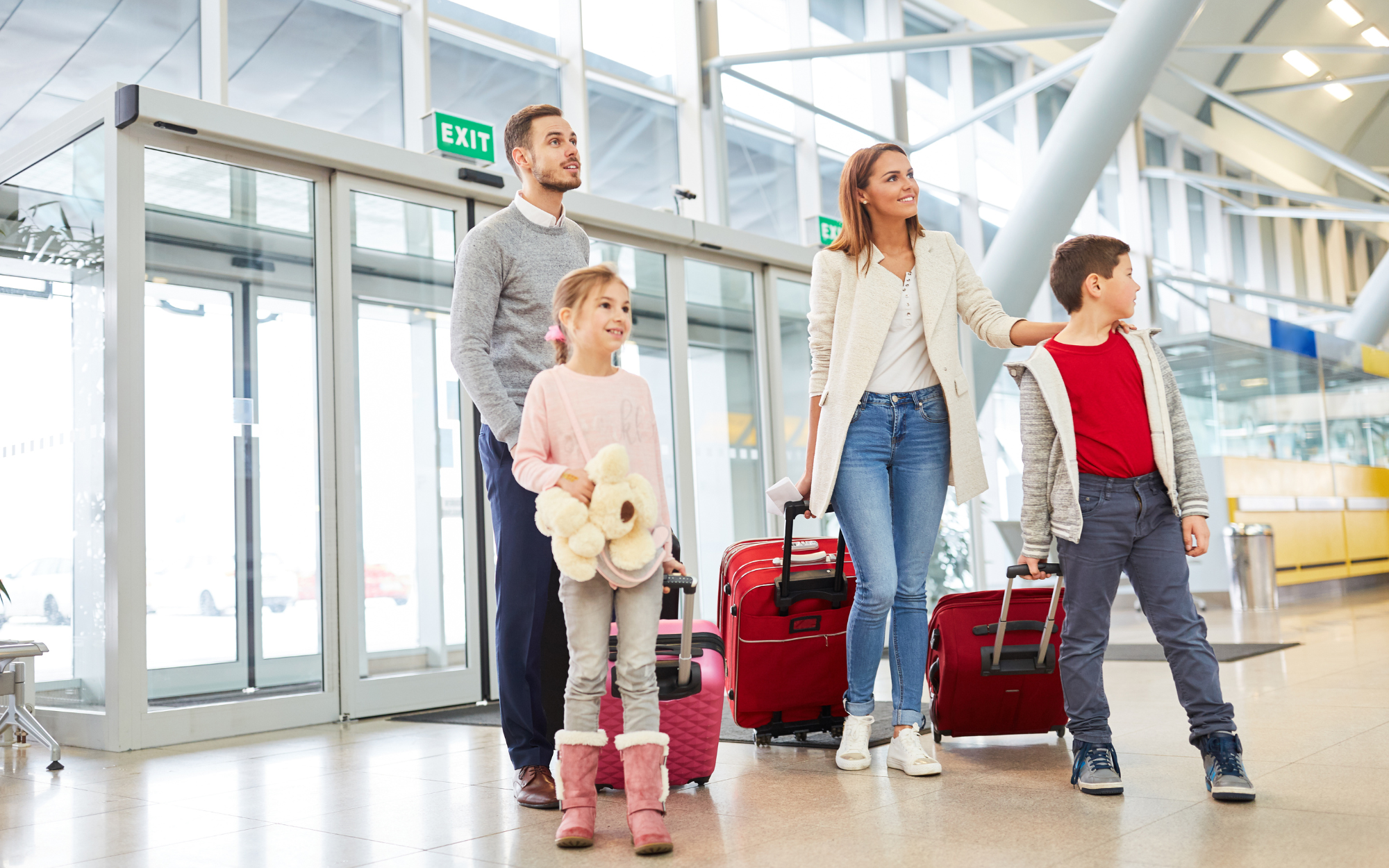
The holiday season can be both a magical and overwhelming time for families, especially for those with neurodivergent members. For families with children on the autism spectrum, travel during the holidays can come with its own set of challenges. Long flights, crowded airports, unfamiliar schedules, and sensory overload can be difficult to navigate. However, with the right planning and a few helpful tips, holiday travel can become a more comfortable and enjoyable experience for neurodivergent families.
In this blog post, we’ll explore essential travel tips for families with children on the autism spectrum, how ABA therapy can provide crucial support, and why preparation is key to a successful holiday trip.
Plan Ahead and Establish a Routine
For many neurodivergent children, routine is essential. The holidays, with their unpredictable schedules and disruptions, can be a source of anxiety. To make holiday travel smoother, start preparing well in advance.
- Create a visual itinerary: For children on the autism spectrum, understanding what will happen next can provide comfort. Use a visual calendar or schedule with pictures and simple descriptions to help your child know what to expect during the trip. This can help ease anxiety about new experiences, like staying in a hotel or traveling by plane.
- Try to maintain some routines: While travel may disrupt regular schedules, try to keep certain activities consistent. Bedtime, meals, or favorite calming activities should remain the same, whenever possible.
- Practice travel scenarios: If your child has not traveled often, consider practicing beforehand. A short trip to a nearby location or a visit to an airport can help familiarize them with the experience.
ABA Therapy and Travel Preparation
Applied Behavior Analysis (ABA) therapy is a powerful tool for supporting children with autism in navigating challenging situations, including travel. ABA therapy focuses on teaching skills through reinforcement and helps children develop positive behaviors, manage anxiety, and cope with unexpected events.
- Behavioral Strategies for Stress Management: ABA services can be used to teach coping mechanisms to help your child manage stress or anxiety during travel. Simple strategies like deep breathing or sensory-friendly tools (like noise-canceling headphones) can make all the difference when they feel overwhelmed.
- Role-Playing Travel Scenarios: Through ABA therapy, role-playing travel scenarios—like sitting on an airplane or waiting in a long line at security—can help desensitize your child to the unknown elements of the trip. This gives them the tools to handle situations when they arise.
- Support During Transitions: Transitions, such as moving from one place to another, can be especially challenging for neurodivergent children. ABA therapists can help teach skills to ease transitions, like using visual cues or timers to prepare your child for the next phase of the trip.
Pack Sensory-Friendly Items
Traveling can be a sensory overload for children on the autism spectrum. The sounds, smells, sights, and even the feeling of new environments can be overwhelming. Packing sensory-friendly items can provide comfort and support throughout the journey.
- Noise-Canceling Headphones: Airports and airplanes can be noisy, and the constant sound of people talking, announcements, and engine noise can be particularly distressing for children with sensory sensitivities. Noise-canceling headphones can provide a calming environment.
- Favorite Comfort Items: Bring along items that provide comfort to your child, like a favorite blanket, stuffed animal, or sensory toy. These familiar objects can offer security and comfort in an unfamiliar environment.
- Snack Options: Many neurodivergent children have specific dietary preferences or needs. Bring along snacks your child enjoys and can eat on the go to avoid hunger-induced meltdowns. It’s also important to keep a water bottle nearby to stay hydrated.
Choosing Accommodations
When booking accommodations for your trip, consider how the environment might affect your child. Look for hotels or vacation rentals that provide quiet rooms, sensory-friendly amenities, or even spaces where your child can retreat when feeling overstimulated.
- Quiet Rooms: Choose a room away from high-traffic areas (like near the elevator or lobby) to minimize noise. If the hotel offers sensory-friendly rooms or features, such as dimmable lighting or soundproofing, be sure to request those options.
- Know the Layout: If possible, take a virtual tour or check the hotel’s map online to familiarize your child with the space before you arrive. This can reduce feelings of disorientation.
- Accessible Services: Make sure that any necessary services, such as ABA therapy sessions or autism behavior support during the trip, are available nearby. Some therapy providers may offer in-person or virtual sessions if needed.
Time Your Travel Strategically
Travel during the holidays often means dealing with long flights or road trips, crowded airports, and high-energy activities. To reduce stress, consider timing your travel around your child’s natural schedule.
- Travel During Off-Peak Hours: If possible, plan your trip during less busy times. Early morning flights or mid-day travel can reduce the chaos of crowded airports and reduce the likelihood of long wait times.
- Break Up the Trip: If you’re traveling by car or planning a long flight, break up the trip with frequent stops to give your child a chance to stretch their legs or decompress.
Prepare for the Unexpected
Despite the best planning, unexpected situations will likely arise. The key is to remain flexible and be ready to adapt.
- Emergency Calming Tools: Have a toolkit ready with items to help calm your child if they become overwhelmed. This could include headphones, fidget toys, or a tablet with calming music or videos.
- Stay Calm: Children on the autism spectrum often mirror the emotional states of those around them. If you stay calm and collected, it will help them feel more secure and reduce the likelihood of a meltdown.
- Have a Backup Plan: It’s always a good idea to have a backup plan in case things don’t go as expected. Know where quiet spaces are located at airports or on the road, and have a list of emergency contacts or nearby healthcare providers in case you need additional support.
Utilizing ABA Services for In-Home Travel Support
If your family is currently working with an ABA therapist or behavioral consultant, reach out for support before and during your trip. ABA therapists can provide guidance on how to tailor strategies to your child’s needs, offer suggestions for reducing travel-related anxiety, and reinforce positive behaviors while traveling.
Traveling Together as a Family
Holiday travel can be stressful, but with the right tools and strategies in place, families with neurodivergent members can create a positive and enjoyable travel experience. ABA therapy, autism behavior support, and careful planning can make all the difference in reducing anxiety and ensuring that everyone has a memorable holiday season.
Remember, every family is unique, and what works for one child may not work for another. The key is to be proactive, stay flexible, and above all, be patient and understanding. With the right support and preparation, holiday travel can be an exciting adventure that brings your family closer together.
Safe travels, and happy holidays!
Checkout our Blog page for more informative resources like How Parents Can Collaborate with Their Child’s School for ABA Therapy, Cozy Sock Snowmen: A Sensory Craft for Autism Support, and Autism Diagnostic Report (DX): Type of Scoring & Results.